You have 0 items in your cart
The numbers are staggering, my dear friend. 1.5 million Sudanese refugees have fled to Egypt since April 2023, carrying nothing but hope and the weight of unimaginable loss. Among them walk fathers who once provided for their families, mothers who held their children through bombing nights, and countless souls now navigating a world where even basic healthcare feels like a distant dream.
But here's what keeps me awake at night: and what should matter to every compassionate heart reading this: kidney failure doesn't pause for war, displacement, or poverty. It strikes the vulnerable with merciless precision, and right now, thousands of these refugees are facing a silent killer that demands immediate action.
The Hidden Health Crisis Nobody Talks About
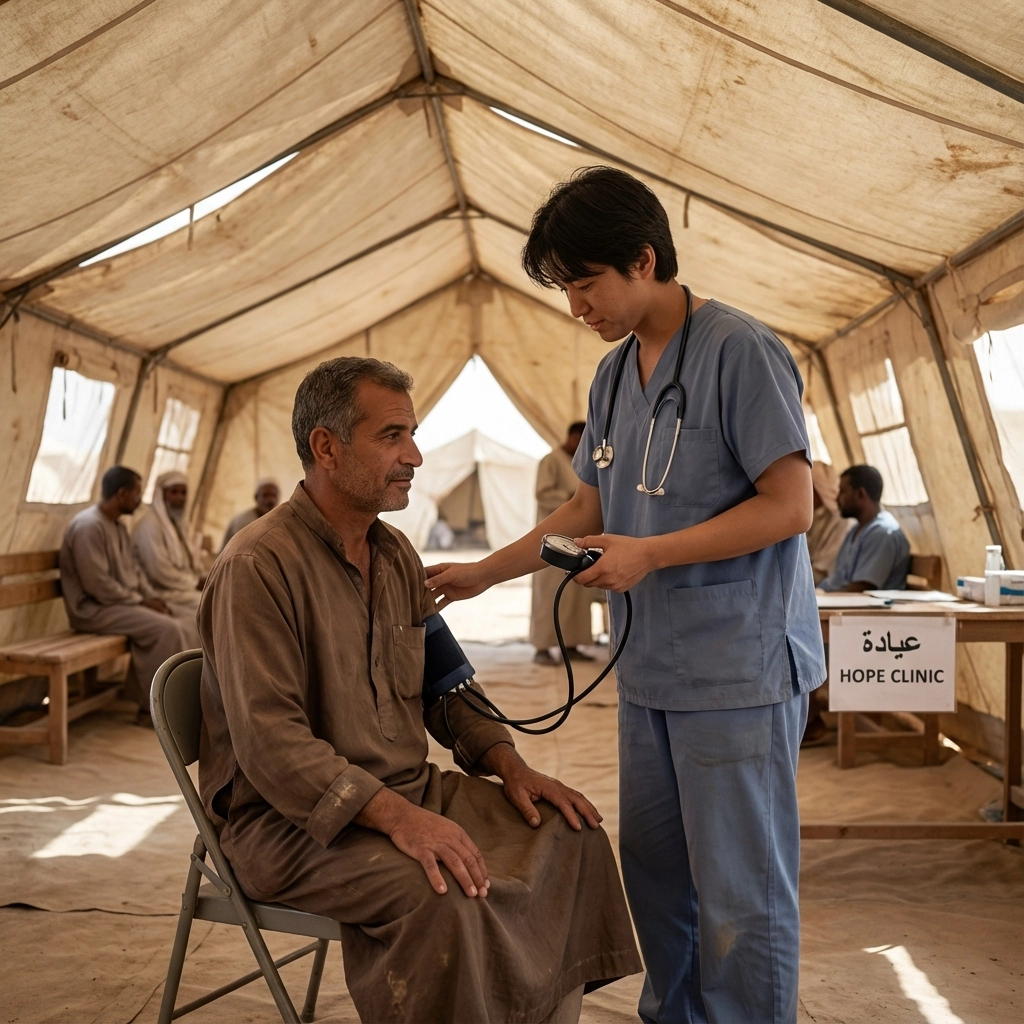
Picture this: You're a 45-year-old teacher from Khartoum. The war forced you to leave everything: your home, your job, your life savings. You arrive in Egypt with your family, grateful to be alive, only to discover that the chronic kidney disease you've been managing for years is now becoming a death sentence.
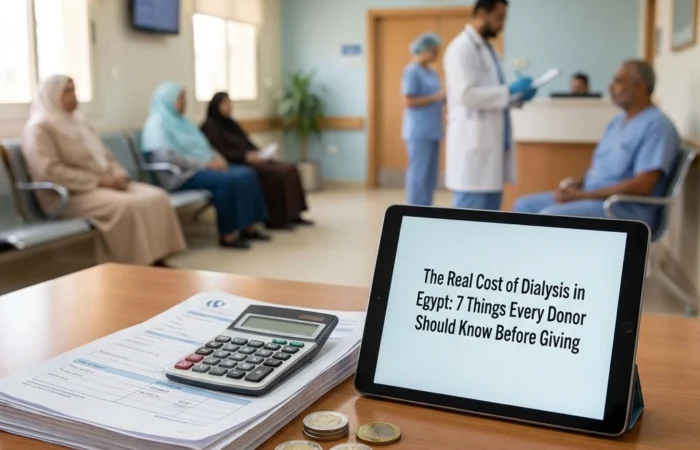
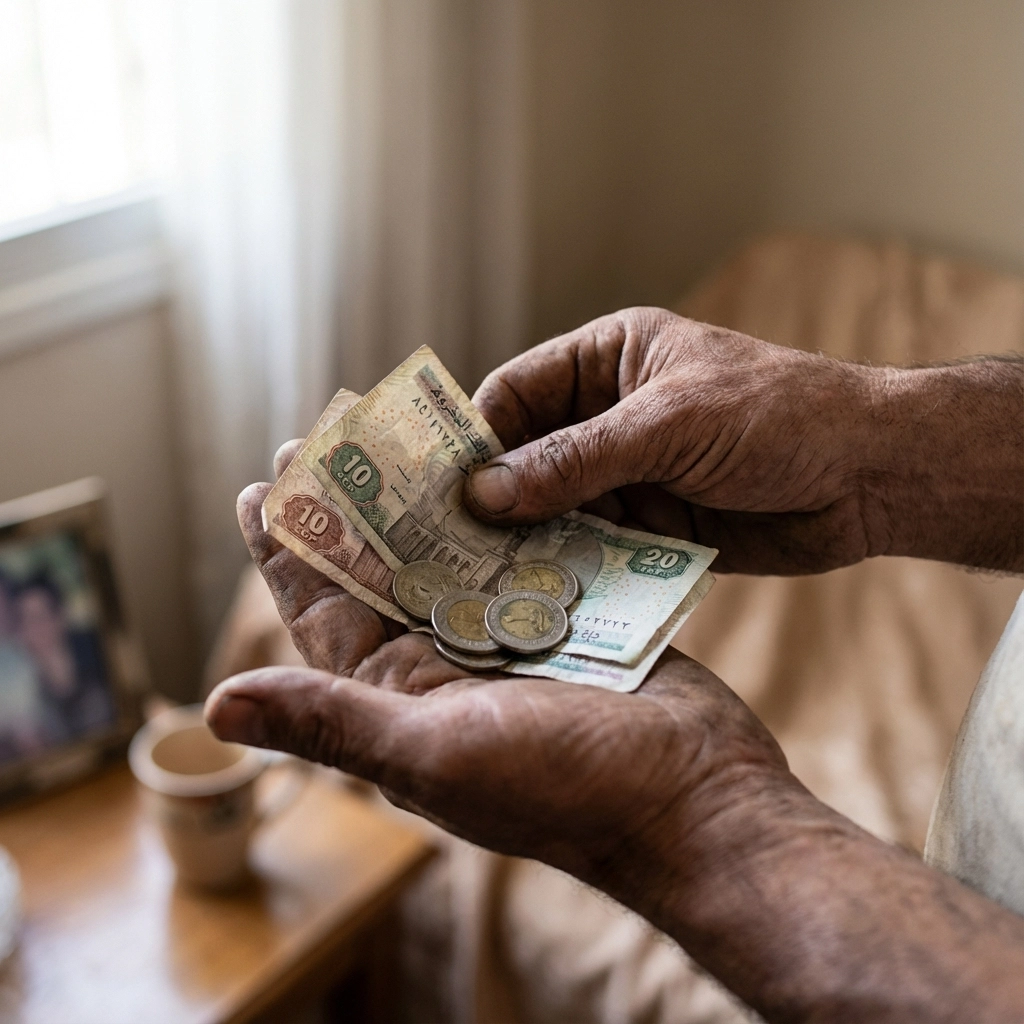
Dialysis treatment in Egypt costs between 2,000-4,000 Egyptian pounds per session. Most refugees need three sessions weekly. Do the math: that's roughly $260-520 monthly for a population already struggling to afford food and shelter.
The Egyptian healthcare system, while generous in spirit, is overwhelmed. Public hospitals have waiting lists stretching months. Private clinics demand upfront payments that most refugees simply cannot afford. And so they wait, hoping, praying, while their kidneys slowly fail.
Why Kidney Failure Hits Refugees Harder
The connection between displacement and kidney failure runs deeper than most realize. Chronic stress, dehydration during long journeys, limited access to medication, and poor living conditions all accelerate kidney deterioration. Many Sudanese refugees arrived after harrowing trips through deserts, often going days without adequate water: a direct assault on kidney function.
But there's more. The trauma of war and displacement triggers chronic inflammation throughout the body. Add malnutrition, interrupted medical care, and the constant stress of uncertainty, and you have a perfect storm for kidney disease progression.
Dr. Sarah Ahmed, a nephrologist working with refugee populations in Cairo, shared with me recently: "We're seeing refugees whose kidney function has declined 40-60% since arriving in Egypt. These aren't just medical statistics: these are parents, grandparents, young adults whose dreams are being cut short by a treatable condition."
The Heartbreaking Reality of Dialysis Poverty
Let me tell you about Amira, a 52-year-old grandmother who fled Sudan with her three grandchildren. She managed her kidney disease with medication for years, but stress and dehydration during her journey to Egypt pushed her into end-stage kidney failure.
Amira needs dialysis three times weekly to survive. Each session costs 2,500 Egyptian pounds: money she simply doesn't have. Her family survives on food donations and occasional work her adult grandson finds. They've sold everything of value, borrowed from friends who have little themselves, and still can't afford consistent treatment.
This is dialysis poverty: when staying alive becomes a luxury you cannot afford.
Amira's story isn't unique. Across Egypt's refugee communities, families face impossible choices:
- Pay for dialysis or feed the children?
- Skip sessions to save money and risk death?
- Return to war-torn Sudan where treatment might be available?
How Your Support Creates Miracles
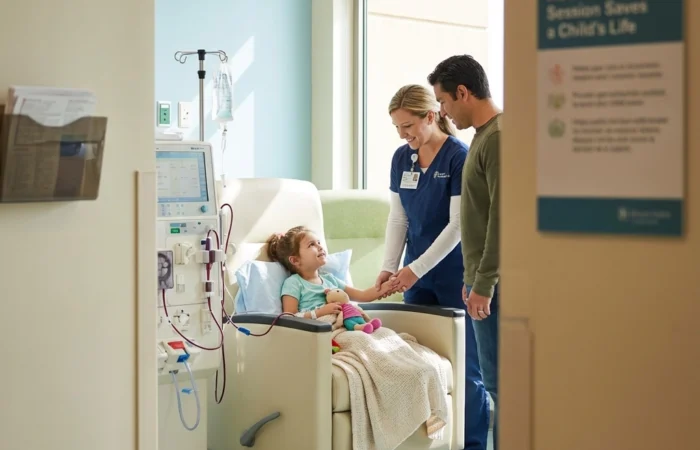
Here's where hope enters the picture, where your compassion transforms into life-saving action. Shifa4All operates with 100% donation transparency: every pound you donate goes directly to dialysis treatment for those who need it most.
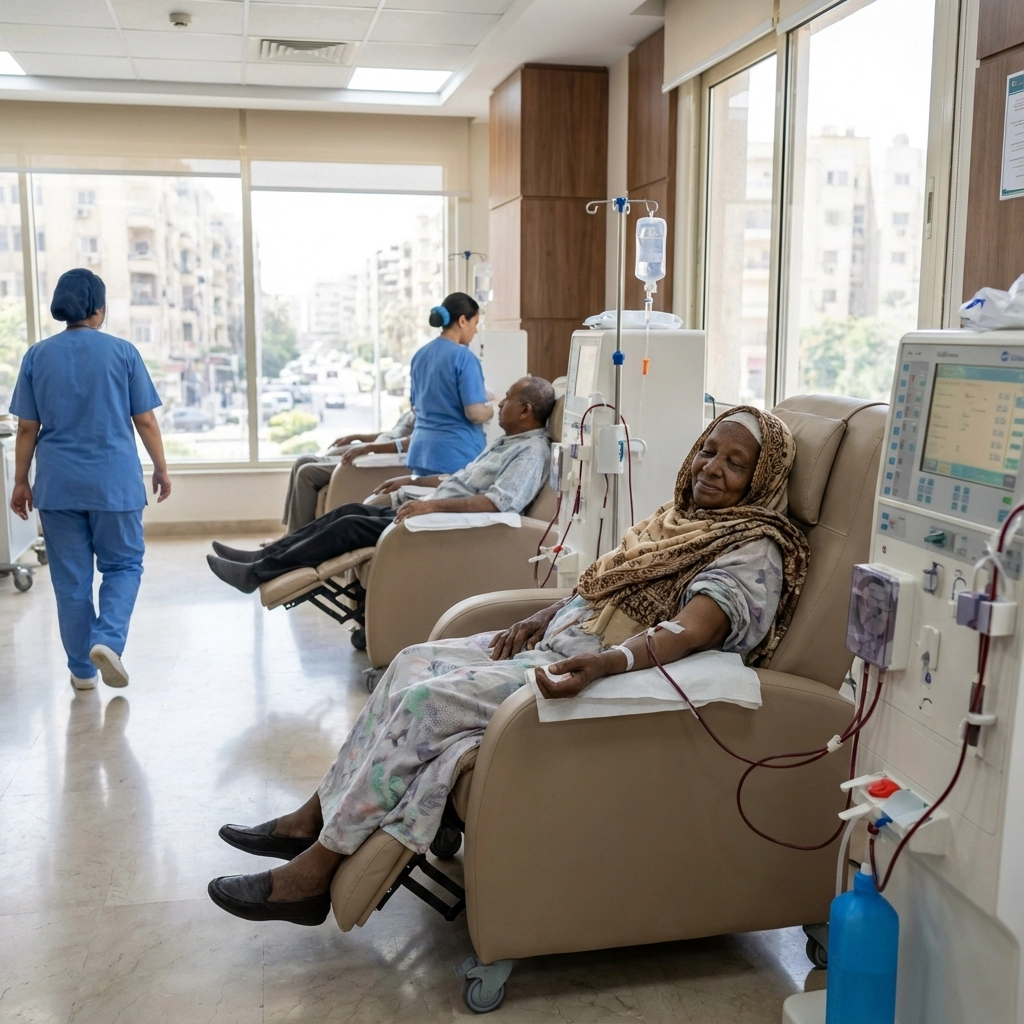
When you donate for dialysis Egypt through our platform, you're not just funding medical treatment. You're:
Restoring Dignity
Imagine the relief on a father's face when he realizes his children won't have to choose between his life and their education. Your donation removes that impossible burden.
Enabling Hope
Consistent dialysis treatment means refugees can focus on rebuilding their lives, finding work, sending children to school: rather than simply surviving day by day.
Creating Community
Our dialysis centers become gathering places where patients support each other, share resources, and maintain the human connections that make survival worthwhile.
The Zakat Connection: Your Faith in Action
For our Muslim donors, supporting kidney patients represents one of the most powerful forms of Zakat donate Egypt can offer. Saving one life is like saving all humanity: this Islamic principle finds profound expression in dialysis support.
Consider this: Your annual Zakat could fund:
- Complete dialysis treatment for one patient for six months
- Emergency sessions for five patients during critical periods
- Medication and follow-up care for an entire family
The transparency of Zakat distribution matters deeply to us. Every donation is tracked, every treatment documented, every life saved accounted for in detailed reports we share with our supporters.

Beyond Numbers: The Ripple Effect of Your Donation
When you support kidney patients Egypt through Shifa4All, the impact extends far beyond individual treatment sessions. Let me paint you the bigger picture:
Economic Stability: A healthy parent can work, send remittances to family still in Sudan, and contribute to Egypt's economy rather than requiring additional social services.
Educational Continuity: Children whose parents receive consistent dialysis stay in school instead of working to support medical costs.
Community Resilience: Healthy community members become support networks for newcomers, creating sustainable assistance systems.
Integration Success: Refugees who aren't consumed by medical crises integrate more successfully into Egyptian society, learning Arabic, developing skills, and building bridges between communities.
The Urgent Math of Life and Death
Here's the stark reality we face daily: Every week of delayed dialysis increases death risk by 15%. For refugees already weakened by displacement trauma, this timeline compresses even further.
Right now, we have 186 Sudanese refugees on our emergency dialysis waiting list. Each needs immediate treatment to survive the coming month. The total cost: 1.2 million Egyptian pounds: roughly $24,000 USD.
That might sound overwhelming, but here's the beautiful truth about collective compassion: divided among caring hearts like yours, it becomes achievable.
- $50 funds one complete dialysis session
- $150 covers a patient's weekly needs
- $600 provides monthly treatment for one person
- $2,400 sponsors annual dialysis for someone in desperate need
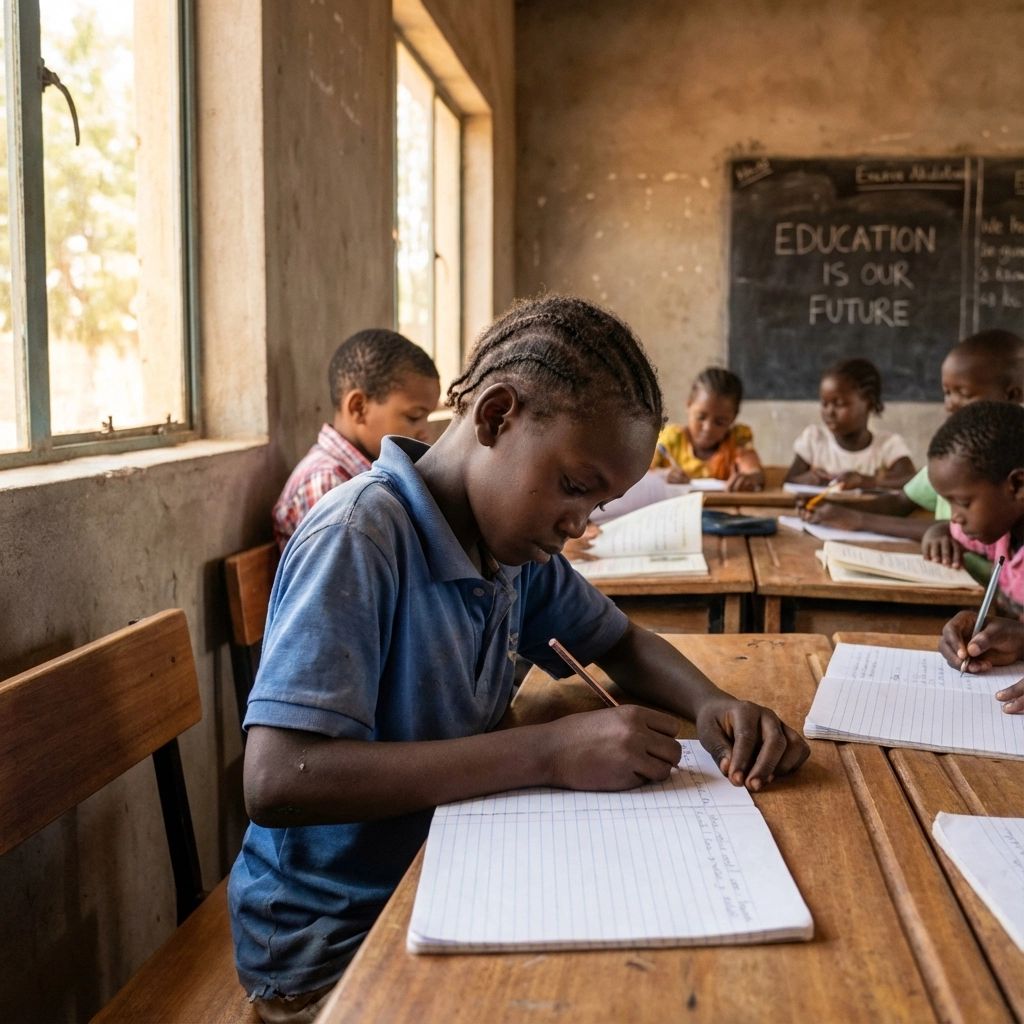
Your Next Step: From Compassion to Action
My dear friend, you've read this far because something in your heart recognizes the urgency, the humanity, the sheer necessity of this work. The question isn't whether these refugees deserve help: it's whether we'll answer when life calls us to act.
Every donation matters. Every share spreads awareness. Every conversation you have about this crisis creates another potential donor.
Visit Shifa4All today. See the faces behind the statistics. Read the stories that transform numbers into human beings deserving of life, dignity, and hope.
Choose your donation amount: whether it's $25 or $2,500, whether it's a one-time gift or monthly commitment. Choose to be the difference between life and death for someone you'll never meet but whose gratitude will echo through generations.
The 1.5 million Sudanese refugees in Egypt didn't choose displacement, trauma, or kidney failure. But you can choose to be their lifeline.
A Promise Worth Making
When you support kidney failure Egypt patients through Shifa4All, you're making a promise that transcends borders, religions, and circumstances. You're saying that human life has inherent worth, that suffering demands response, that hope requires action.
Your donation becomes dialysis fluid flowing through machines that keep hearts beating. It becomes medication that prevents infections. It becomes the smile on a grandmother's face when she realizes she'll live to see her grandchildren graduate.
This is your moment. This is your chance. These are your neighbors in humanity, waiting for your compassion to become their salvation.
The choice, my dear friend, is yours. But choose quickly: because for those on dialysis, tomorrow may already be too late.