You have 0 items in your cart
There's something haunting about trust, isn't there? That delicate thread between intention and impact, between the coins that slip through your fingers and the lives they're meant to touch. When you give your zakat, you're not just fulfilling a religious obligation: you're extending your hand across an invisible bridge, hoping it reaches someone drowning in the darkness of kidney failure.
But in this age of questions and whispered doubts, you wonder: Is my zakat really reaching kidney patients?
My dear friend, let me walk you through the truth about donation transparency, through the corridors of Shifa4All's dialysis centers, where every Egyptian pound carries the weight of a life sustained.
The Silent Crisis Flowing Through Egypt's Veins
In the shadow of the pyramids, another ancient suffering persists. Kidney failure doesn't announce itself with trumpets: it creeps through families like morning fog, turning breadwinners into patients, dreams into medical bills.
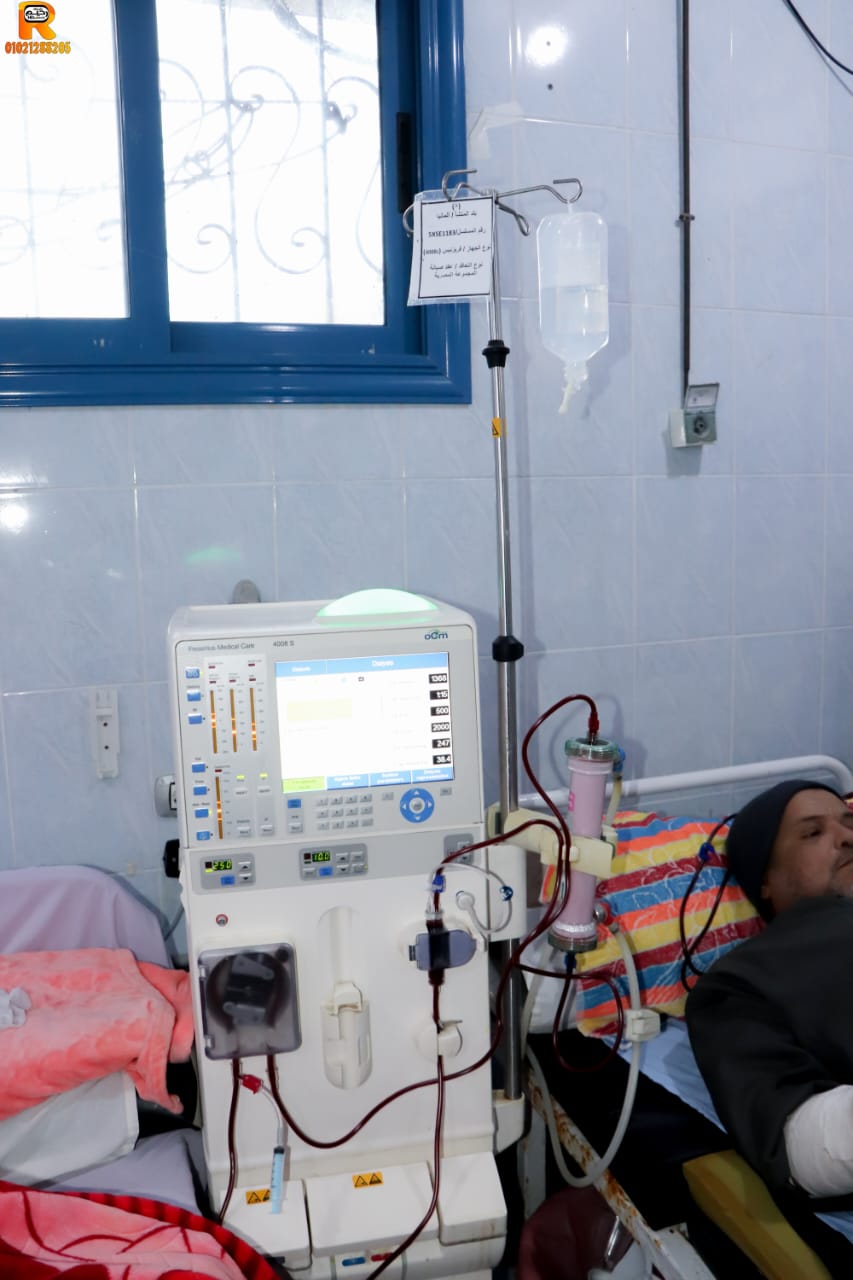
Egypt faces a kidney crisis that stretches beyond statistics:
• 15% of Egypt's population suffers from chronic kidney disease
• 80,000 patients require regular dialysis to survive
• Each dialysis session costs 800-1200 EGP ($25-38 USD)
• Most families earn less than 3000 EGP monthly ($95 USD)
These numbers dance in my mind like prayers whispered in desperation. Behind each percentage point lies a mother watching her child's energy fade, a father calculating whether he can afford another week of life.
The Sacred Mathematics of Islamic Giving
Can zakat truly be given to kidney patients? This question echoes through mosque courtyards and family gatherings, heavy with hope and hesitation.
The answer flows clear as mountain water: Islamic jurisprudence unequivocally permits zakat for medical needs. When a person lacks the financial means for life-saving treatment, zakat funds transform from religious obligation into divine mercy.
"Zakat is for the poor and the needy, and those employed to collect it, and those whose hearts are to be reconciled, and to free slaves, and for debtors, and in the way of Allah, and for wayfarers." – Quran 9:60
Kidney patients without resources fall under "the needy": those whose very existence hangs in the balance of affordability. The Shariah compass points directly toward this sacred use of zakat funds.
Inside Shifa4All's Transparency Engine
How do you know your donation doesn't disappear into administrative shadows?
At Shifa4All, transparency isn't just a policy: it's a sacred trust woven into every transaction. Here's how we ensure your zakat reaches kidney patients with crystalline clarity:
1. Dedicated Zakat Accounts
Every zakat donation flows into separate Islamic bank accounts, completely isolated from general funds. Think of it as a protected river that can only flow toward Shariah-compliant destinations.
2. Independent Shariah Certification
Our zakat collection and distribution processes undergo regular review by independent Islamic scholars. These certificates aren't just paperwork: they're spiritual guarantees that your religious obligation transforms into genuine relief.

3. Real-Time Impact Tracking
When you donate through our platform, you receive:
• Immediate confirmation of your donation
• Quarterly impact reports showing exactly how many dialysis sessions your zakat funded
• Patient stories (anonymized) demonstrating direct impact
• Financial breakdowns showing the percentage reaching patients vs. operational costs
4. Open-Door Policy
Donors can visit our dialysis centers unannounced. Walk through our facilities in Cairo, Alexandria, and Aswan. Speak with patients. Count the machines. Feel the heartbeat of transparency.
The Hidden Costs of Life: What Your Zakat Actually Buys
Where does each Egyptian pound travel on its journey from your hand to a patient's survival?
A single dialysis session breakdown:
• Dialysis consumables and filters: 450 EGP (56%)
• Medical staff salaries: 200 EGP (25%)
• Equipment maintenance: 100 EGP (12.5%)
• Facility costs (utilities, rent): 50 EGP (6.5%)
This means 81% of your zakat directly touches the patient's treatment, while 19% maintains the infrastructure that makes treatment possible. No hidden executive salaries, no marketing budgets: just the pure mathematics of keeping someone alive.

Stories That Echo Through Dialysis Halls
Let me tell you about Fatima…
She's 34, a mother of three from Minya. When her kidneys failed, her husband sold their only asset: a small grocery store: to pay for two months of dialysis. Then came the choice: feed the children or keep the mother alive.
Your zakat found Fatima in her darkest hour. Today, she receives free dialysis three times weekly at our Minya satellite center. Her children have their mother, and her husband rebuilds their store with dignity intact.
Ahmed, 19, university student: Your donations funded his dialysis throughout his engineering degree. He graduated last month and now works designing water filtration systems: life saving life in beautiful circles.
Om Hassan, 67, grandmother: Twelve grandchildren call her "Teta." Without zakat-funded dialysis, they would have learned the word "orphan" too young.
Red Flags: How to Spot Donation Manipulation
Not every charity operates with transparent hearts. Protect your zakat by asking these questions before giving:
- Can I visit your facilities unannounced?
- Do you provide detailed financial breakdowns?
- Is your Shariah compliance certified by independent scholars?
- Can you show me specific patient impact reports?
- What percentage reaches patients vs. administrative costs?
Legitimate charities welcome these questions. Suspicious organizations deflect them.

The Ripple Effect of Transparent Giving
When your zakat reaches kidney patients through transparent channels, magic multiplies:
• Families stay together instead of crumbling under medical debt
• Patients return to work instead of becoming permanent dependents
• Children attend school instead of working to pay for their parent's treatment
• Communities strengthen instead of watching neighbors disappear
Your transparency demands create better charities. When donors insist on accountability, organizations rise to meet that standard.
Making Your Zakat Count: A Practical Guide
Ready to ensure your zakat transforms into genuine relief? Here's your roadmap:
Before donating:
• Research the charity's transparency practices
• Request recent impact reports
• Verify Shariah compliance certificates
• Check if they allow facility visits
During donation:
• Specify that funds should support kidney patients in Egypt
• Request confirmation receipts
• Ask about follow-up communication
After donating:
• Track your impact through provided reports
• Share your positive experiences with other potential donors
• Consider visiting the facilities if possible

Your Questions, Our Transparent Answers
Q: How do I know my zakat isn't mixed with non-halal income sources?
A: Shifa4All maintains completely separate accounting systems for zakat funds, with regular audits ensuring no mixing occurs.
Q: Can I specify that my donation only supports Sudanese refugees?
A: Absolutely. We honor donor preferences and can direct your zakat specifically toward refugee kidney patients.
Q: What if I want to fund a specific number of dialysis sessions?
A: We'll calculate the exact cost and send you updates on each session your donation funds.
In the end, my dear friend, transparency isn't just about numbers on spreadsheets: it's about the sacred contract between your generosity and someone's tomorrow. When you choose organizations like Shifa4All that embrace radical transparency, your zakat doesn't just reach kidney patients: it reaches them with dignity, accountability, and the full weight of your sincere intention.
Your next zakat payment could fund 3-4 life-saving dialysis sessions for kidney patients in Egypt. The question isn't whether it will reach them: with transparent organizations, it absolutely will. The question is: when will you begin?
Trust, verified. Impact, guaranteed. Lives, saved.
Ready to make your zakat count? Visit Shifa4All to start your transparent giving journey today.